




Xbox CEO Asha Sharma’s next phase may be less about rebuilding goodwill and more about making the Xbox division smaller, according to industry analyst Joost van Dreunen. The comments come as Xbox faces more reported layoffs and possible studio closures, turning Sharma’s early praise from fans into renewed concern about Microsoft’s gaming strategy.
Sharma initially won support from many Xbox players after taking over the division. She made Game Pass cheaper, put more focus back on console hardware, and signaled a return to stronger platform identity. But that early momentum has now been overshadowed by reports of mass layoffs, studio closures, and deep cuts across the Xbox business.
Van Dreunen argues that this difficult work may be the real reason Sharma was hired. In his view, Xbox has grown too large, and Microsoft now wants the division to become leaner, cheaper, and more sustainable.
Xbox is moving from growth to correction
For years, Microsoft expanded Xbox through major acquisitions, including Bethesda parent ZeniMax and Activision Blizzard. That strategy gave the company more studios, more IP, and more content for Game Pass, but it also created a massive operating structure that now appears difficult to support.
Van Dreunen describes the industry as being in a disruption cycle rather than a content cycle. In a content cycle, big releases and major franchises drive growth. In a disruption cycle, companies focus more on reducing costs, improving efficiency, and making their products easier to access.
| Xbox issue | What it means |
|---|---|
| Reported layoffs | Microsoft may be cutting costs across the division |
| Possible studio closures | Smaller teams could be at higher risk |
| Game Pass pressure | Subscription growth may not support every investment |
| Hardware reset | Xbox is trying to rebuild console confidence |
| Asha Sharma’s role | Analysts see her as a leader hired to reshape the business |
| Microsoft’s goal | Xbox must become more self sustaining |
That shift helps explain why even popular fan friendly moves have not stopped the fear around Xbox’s future.
Sharma’s first 100 days built hope
Sharma’s early leadership gave Xbox fans reasons to be optimistic. She appeared to reverse some of the decisions that had damaged trust during the later years of Phil Spencer’s leadership. Game Pass pricing became more attractive, console hardware returned to the center of Xbox messaging, and the platform sounded more confident about exclusives.
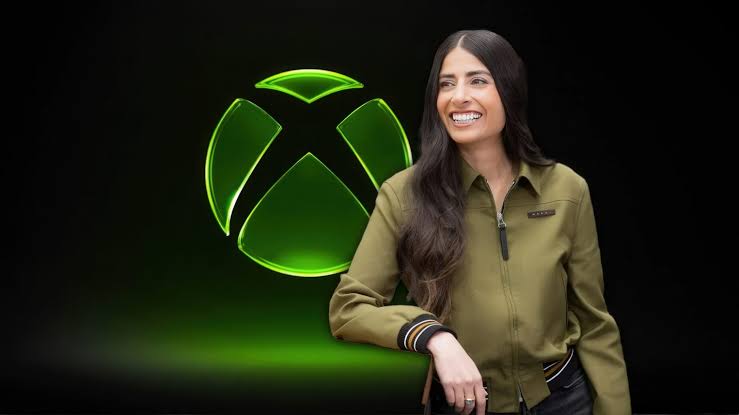
Those moves mattered because many players felt Xbox had lost its identity. After years of mixed messaging around exclusivity, Game Pass, cloud gaming, PC, and multiplatform releases, Sharma’s early approach seemed more direct.
But a clearer public message cannot solve the financial problems behind the scenes. The latest reports suggest Microsoft is still preparing to cut deeply, even if those cuts damage the goodwill Sharma built.
Analysts expected layoffs before fans did
Some industry watchers had already warned that Sharma’s job would not only be about saving Xbox’s image. Xbox founder Seamus Blackley previously suggested her role could be closer to guiding the business through decline than simply leading a comeback.
That view may sound harsh, but the logic is simple. Xbox became much larger after years of acquisitions, and Microsoft leadership now appears to want proof that the division can stand on its own.
Microsoft CEO Satya Nadella has already made clear that Xbox needs to become a sustainable business after 25 years of investment. That does not mean Microsoft lacks money. It means Xbox may no longer be allowed to operate as a division that can keep expanding without proving stronger returns.
Cutting talent could hurt Xbox’s long term future
The problem with shrinking Xbox is that games are not made by spreadsheets. If Microsoft cuts too many developers, closes too many teams, or sells off too much creative capacity, it may weaken the very thing Xbox needs most: great games.
Players do not subscribe to Game Pass or buy consoles because a company has a cleaner balance sheet. They do it because the platform gives them games they want to play.
That is why the reported cuts feel risky. Microsoft may improve short term efficiency, but it could damage long term output if the layoffs remove experienced developers and reduce the number of creative projects in development.
The Xbox brand is caught between business and trust
Xbox’s biggest challenge is now trust. Fans have heard years of promises about patience, investment, studio freedom, and long term growth. If those promises end in closures and layoffs, players may become harder to win back.
Sharma’s leadership is caught in the middle of that tension. She may be trying to rebuild the brand publicly while also carrying out a business reset internally. That makes her role difficult, because every cost cutting move now looks like proof that Xbox’s earlier promises were not strong enough to survive pressure from Microsoft leadership.
The next 100 days may define the new Xbox
The next phase of Sharma’s Xbox leadership could decide what kind of platform Xbox becomes. It may be smaller, more focused, and more disciplined. It may also be less ambitious, with fewer studios and fewer risky projects.
A leaner Xbox could work if Microsoft protects its strongest teams, gives them time, and builds a clearer release strategy. But if the cuts are too deep, Xbox could lose the creative strength it needs to compete.
For now, the message from analysts is clear. Sharma’s job is not only to make Xbox look better to fans. It may be to make Xbox smaller, cheaper, and easier for Microsoft to justify. That could help the business in the short term, but it also raises a harder question: how much can Xbox shrink before it stops feeling like Xbox at all?



Discussion (0)
Be the first to comment.