



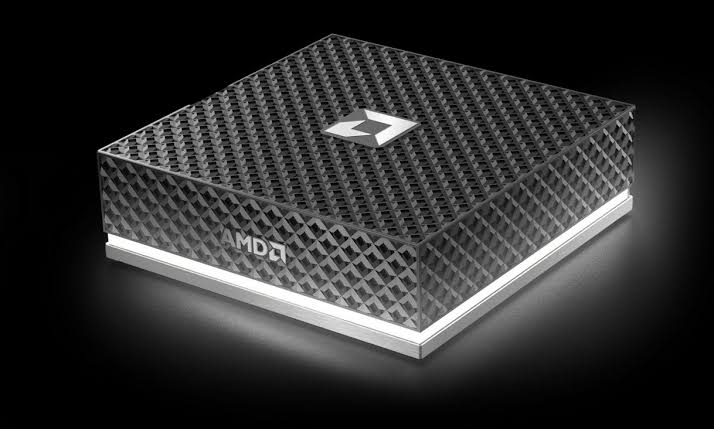
AMD’s Ryzen AI Halo mini PC is now being positioned as a compact workstation for local AI development, but its $4,000 price makes it clear that this is not a normal small desktop for everyday buyers. The machine is aimed at developers who want to run local language models without relying entirely on cloud AI services, tokens, or remote infrastructure.
The system is built around AMD’s Ryzen AI Max+ 395 processor, a high end chip with 16 CPU cores. It also includes 128GB of unified LPDDR5X memory and 2TB of storage. That configuration explains part of the price, because local AI workloads often need large memory pools to run bigger models smoothly.
This is not a mini PC designed primarily for gaming or standard office work. It can run PC games, but buying it for that purpose would make little sense. At $4,000, a gaming focused desktop or laptop would offer better value for high frame rates, dedicated graphics performance, and upgrade flexibility.
AMD is targeting AI developers with a compact x64 workstation
The Ryzen AI Halo mini PC is better understood as AMD’s answer to Nvidia’s Spark DGX style hardware. The difference is that AMD’s system uses a familiar x64 architecture, while Nvidia’s competing approach is based around Arm. That could make AMD’s box more attractive to developers who want a compact AI machine that still fits into a more conventional PC software environment.
| Feature | Ryzen AI Halo mini PC |
|---|---|
| Target audience | AI developers and local LLM users |
| Processor | AMD Ryzen AI Max+ 395 |
| CPU cores | 16 |
| Memory | 128GB unified LPDDR5X |
| Storage | 2TB |
| Main purpose | Running local AI models |
| Gaming value | Possible, but poor value for the price |
| Expected retailer | Micro Center |
| Availability | Listed as available, but not actually in stock |
AMD has claimed strong performance in specific AI benchmarks, especially around tokens per second. That metric matters for language model workloads because it measures how quickly a system can generate output. For developers testing local models, fine tuning workflows, or building AI powered applications, higher token throughput can reduce waiting time and make local experimentation more practical.
The problem is availability. Although AMD’s presentation says the mini PC is available now, listings at Micro Center do not appear to offer a working order option at the moment. That applies to both Windows 11 and Linux versions, which means interested buyers may have to wait despite the product being promoted as ready for purchase.
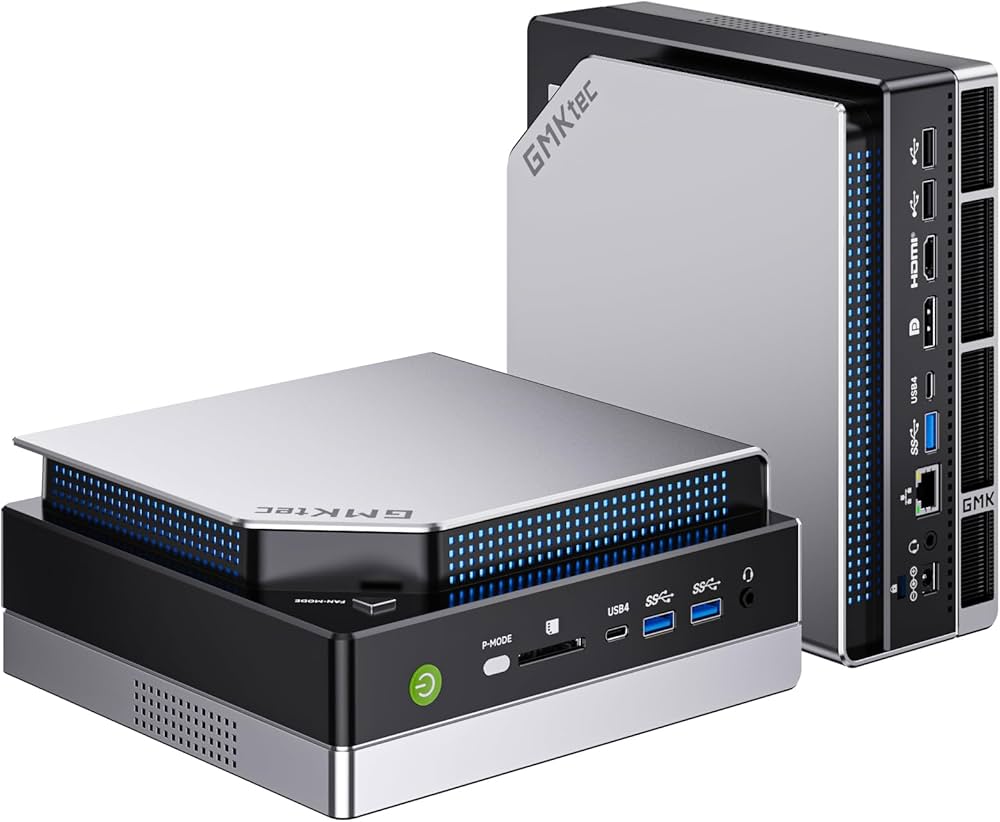
There are already other systems built around similar hardware. The Framework Desktop, for example, uses the same class of Ryzen AI Max hardware and can be configured with a similar memory setup. It is also expensive in high end form, which shows that this category is not being priced like a traditional mini PC.
That is important context for anyone comparing it with normal compact desktops. A typical mini PC is bought for space saving, quiet operation, office use, media playback, or light gaming. Ryzen AI Halo is different. Its value depends almost entirely on whether you need to run demanding AI workloads locally.
For developers, local AI hardware can reduce dependence on paid cloud services. It can also help with privacy, testing, latency, and offline experimentation. But the upfront cost is high, and many buyers would need a clear workflow to justify spending this much on a small PC.
The Ryzen AI Halo mini PC shows where the market is heading. Mini PCs are no longer only low power office boxes or compact gaming experiments. They are becoming specialized workstations for AI, content creation, and development. For most people, this $4,000 system is easy to skip. For a smaller group of AI developers, it may be useful once it is actually available to buy.



Discussion (0)
Be the first to comment.