



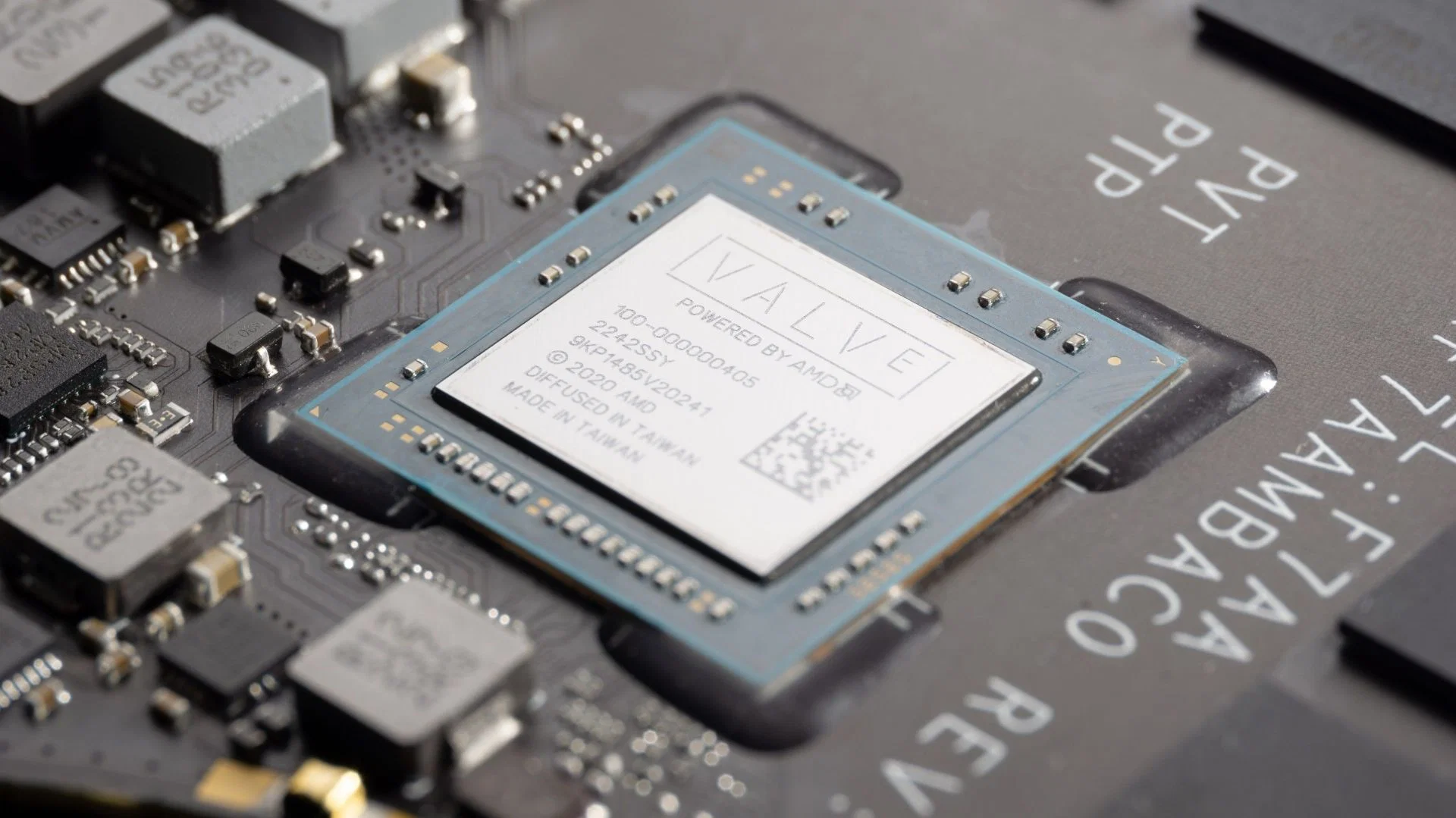
A mysterious AMD processor known internally as Gainsborough is fueling new speculation about the hardware that could eventually power Valve's Steam Deck 2.
The chip has reportedly appeared in AMD driver references and shipping records, confirming that Gainsborough is more than an invented codename. Internal information shared by a hardware leaker suggests the SoC will be manufactured using TSMC's N3P process.
Beyond that, confirmed technical details remain extremely limited. There is currently no official indication from AMD or Valve that Gainsborough is intended for a new Steam Deck, so the connection should be treated as speculation.
Still, the codename provides an interesting clue.
Gainsborough Name Creates a Strong Steam Deck Connection
The processor inside the original Steam Deck carries the codename Aerith, a reference to Aerith Gainsborough from Final Fantasy VII. A later die shrunk version of the processor is known as Sephiroth, another character from the same game.
Using Gainsborough as the name of another AMD SoC therefore creates an obvious connection to Valve's handheld hardware.
Another detail supporting the theory is that AMD's regular hardware partners reportedly have little or no knowledge of the chip. That could make sense if Gainsborough is a semi custom processor designed specifically for one customer rather than a mainstream Ryzen product intended for laptops from several manufacturers.
| Processor detail | Reported information |
|---|---|
| Codename | Gainsborough |
| Possible product | Future Steam Deck |
| Manufacturing process | TSMC N3P |
| Official Steam Deck connection | Not confirmed |
| Original Steam Deck chip | Aerith |
| Aerith architecture | Zen 2 CPU with RDNA 2 graphics |
| Possible future architecture | Speculated Zen 6 design |
Valve has repeatedly said it does not want to release a second generation Steam Deck simply because newer hardware is available.
The company has instead indicated that a successor should provide a meaningful generational improvement without sacrificing the battery life and efficiency that are important in a handheld device.
Moving from the original Steam Deck's 7 nm Zen 2 and RDNA 2 architecture to a newer 3 nm class processor using Zen 6 would certainly qualify as a substantial technical upgrade.
The unresolved question is how powerful Gainsborough might actually be.
Valve May Favor Efficiency Over a Large GPU
One theory suggests Gainsborough could resemble the processor reportedly being developed for a future PlayStation handheld. That chip is rumored to use a relatively wide 192 bit memory interface and 16 RDNA 5 compute units.
Such specifications would provide substantial graphics performance, but they may not fit Valve's traditional Steam Deck strategy.

The original Steam Deck uses a comparatively modest processor. Valve designed the handheld around predictable performance, efficiency and affordability rather than attempting to build the fastest portable gaming PC possible.
That philosophy makes a smaller processor another plausible option.
A separate rumored AMD design called Bumblebee has been described as using a compact Zen 6 CPU configuration combined with an RDNA 4 GPU containing either two or four compute units.
Those specifications would look modest next to high end handheld processors, but architectural improvements could still make such a chip significantly faster and more efficient than the original Steam Deck's Aerith SoC.
A smaller GPU could also reduce power consumption and manufacturing costs, both of which matter in a portable device.
Valve has historically avoided selling hardware using the traditional console model where manufacturers can accept losses on devices and recover the money through software sales. Keeping the processor relatively small could therefore help Valve maintain reasonable manufacturing costs without pushing Steam Deck pricing sharply upward.
Gainsborough remains an unconfirmed candidate for Steam Deck 2. Its appearance in technical records gives the chip itself some credibility, but its specifications and intended product are still unknown.
The codename connection to Aerith is difficult to ignore, however. If Gainsborough does belong to Valve, the move to an advanced manufacturing process could provide exactly the type of performance and efficiency improvement the company has said it wants before introducing a true Steam Deck successor.


Discussion (0)
Be the first to comment.