


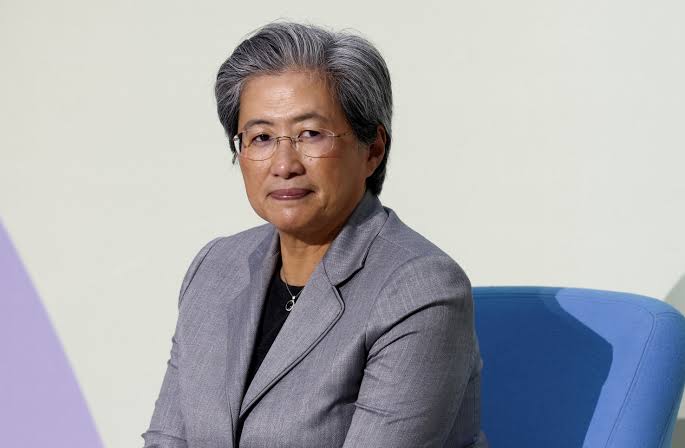
AMD is facing criticism from PC gaming enthusiasts after its Japanese division published a message reaffirming the company's commitment to gamers. The statement attracted a Community Note highlighting CEO Lisa Su's recent comments about AMD prioritizing its data center business.
The disagreement follows Su's description of AMD as a company focused primarily on data centers, raising concerns about the future importance of Ryzen processors and Radeon graphics cards within its broader business strategy.
AMD Japan attempted to reassure its gaming audience following Su's appearance at a new Micro Center store in Austin, Texas. However, some responses questioned whether the company's messaging matches its product availability and pricing.
The discussion also comes as AMD's latest financial results show significant growth in its data center business alongside declining revenue in its combined Client and Gaming segment.
AMD Japan Says the Company Still Values Gamers
AMD Japan recently published a social media message emphasizing the company's relationship with the gaming community.
The post followed Lisa Su's visit to Micro Center's new Austin location, where she interacted with PC enthusiasts and participated in activities connected to AMD hardware.
The Japanese division said AMD values opportunities to communicate directly with gamers and considers their feedback important.
The message ended with the statement, "AMD loves gamers."
However, the post received a Community Note directing readers to Su's earlier comments about AMD's business priorities and the company's latest financial performance.
Some replies also raised concerns about the pricing and availability of Ryzen processors and Radeon graphics cards.
The criticism suggests that part of AMD's gaming audience wants clearer evidence of how the company intends to support consumer hardware while expanding its data center operations.
AMD Data Center Revenue Nearly Doubled in the Third Quarter
AMD's financial performance provides additional context for the discussion.
According to the figures cited in the report, the company's Data Center segment recorded revenue of $8.5 billion during the third quarter of 2026, representing 97% growth compared with the same period a year earlier.
Meanwhile, revenue from the combined Client and Gaming segment declined by 8% to $3.7 billion.
| AMD Business Segment | Q3 2026 Revenue | Annual Change |
|---|---|---|
| Data Center | $8.5 billion | Up 97% |
| Client and Gaming | $3.7 billion | Down 8% |
These figures demonstrate how important data center products have become to AMD's overall business.
The company supplies EPYC server processors and Instinct accelerators for enterprise computing and artificial intelligence workloads.
Demand for this hardware has increased as technology companies expand their AI infrastructure.
However, strong data center growth does not necessarily mean AMD intends to abandon its consumer business.
Ryzen processors and Radeon graphics cards remain established product families, although their long term position within AMD's investment priorities is now receiving greater attention.
Radeon Pricing and Availability Remain Concerns
Another issue raised by gamers involves AMD's retail strategy, particularly its relationship with Micro Center.
The retailer has frequently participated in AMD product launches and promotional events, including exclusive Ryzen processor releases and graphics card sales at advertised launch prices.
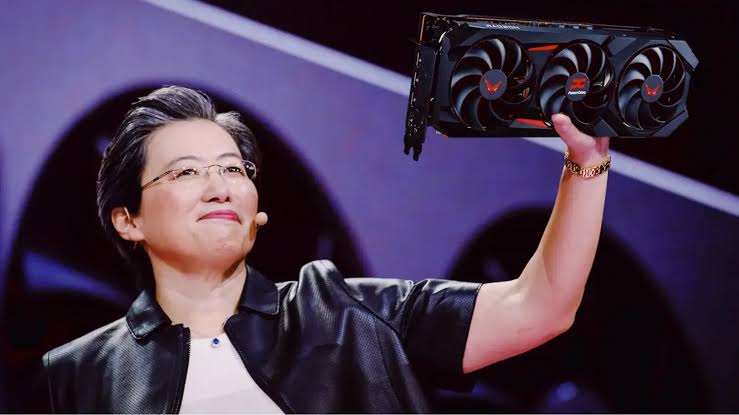
During the Radeon RX 9070 series launch, Micro Center reportedly received thousands of graphics cards at their suggested retail prices.
However, buyers shopping through other retailers sometimes struggled to find comparable availability or pricing.
This difference has raised concerns about whether AMD's promotional arrangements provide equal access to its products.
Micro Center operates only in selected parts of the United States and does not maintain an international retail network.
Consequently, customers outside its service areas cannot easily take advantage of exclusive in store promotions.
The situation is particularly relevant for buyers who want Radeon graphics cards at their advertised prices without paying additional retailer premiums.
Lisa Su's Data Center Comments Raise Questions About Ryzen and Radeon
AMD's recent messaging reflects the challenge of serving different markets with increasingly different business requirements.
The company's data center products support large enterprise customers, cloud infrastructure, and AI development.
Meanwhile, Ryzen processors and Radeon graphics cards target consumer computing and gaming markets, where pricing, performance, and retail availability directly influence purchasing decisions.
Su's description of AMD as a data center first company indicates the importance of enterprise products to its broader strategy.
However, the company has not announced plans to discontinue Ryzen or Radeon products.
The concerns expressed by gamers therefore relate primarily to AMD's future priorities rather than any confirmed withdrawal from consumer hardware.
AMD Japan's statement indicates that the company wants to maintain its relationship with PC gaming enthusiasts.
For consumers, the more immediate questions concern whether future Ryzen and Radeon products will remain competitively priced and widely available.
The discussion highlights the growing attention AMD's consumer hardware strategy is receiving as its data center business becomes a larger contributor to revenue.
Discussion (0)
Be the first to comment.