



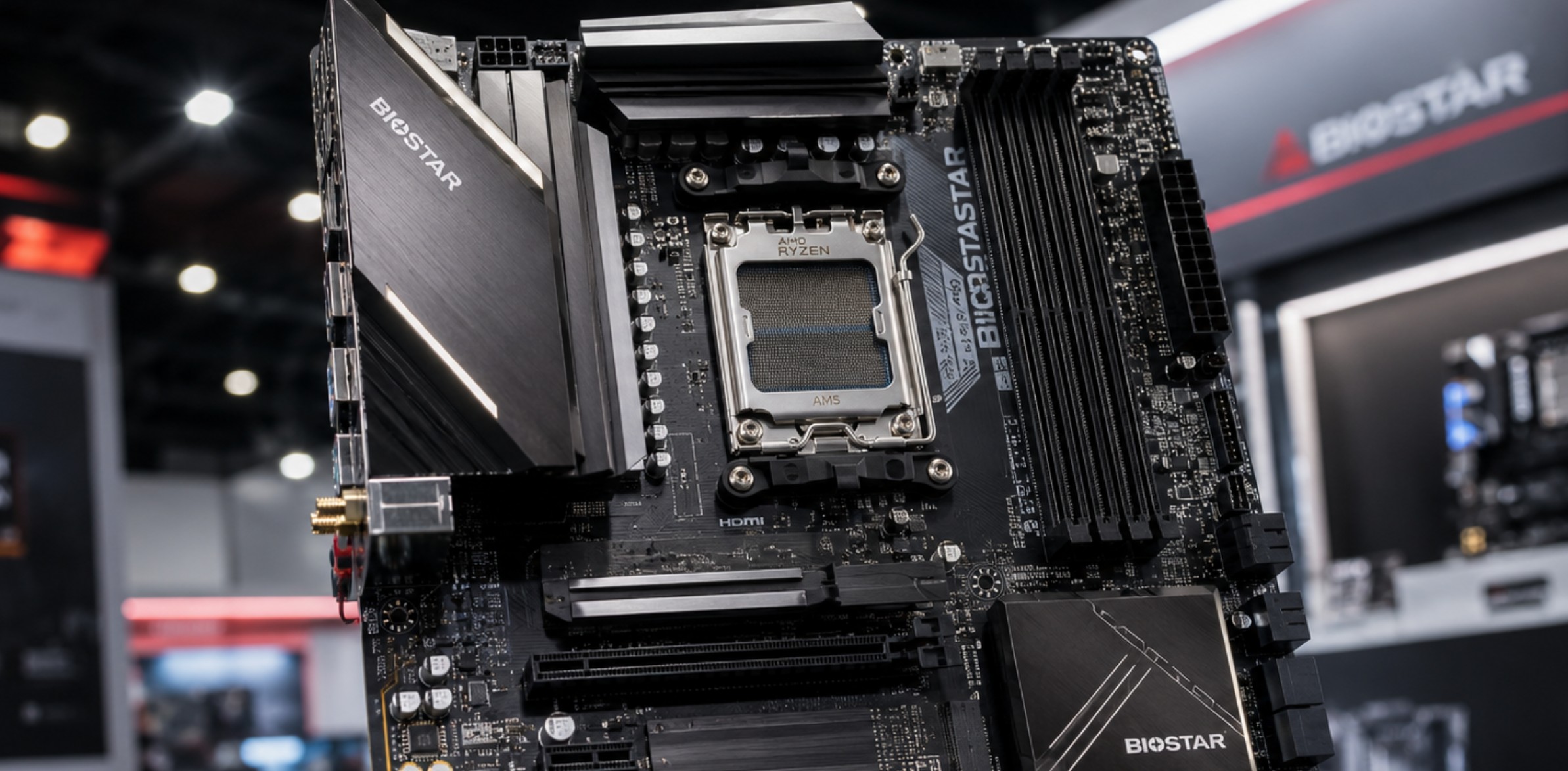
AMD is expected to have several possible announcements lined up for Computex 2026, even though its full product stack remains unclear. The company may use the show to expand its current Zen 5 lineup, introduce new X3D desktop chips, talk about future Zen 6 mobile processors, and respond to Intel’s renewed push into handheld gaming chips.
The most realistic expectation is a broader Zen 5 refresh. AMD often keeps its CPU families active for several years by adding new models at different price points. That could continue at Computex with more desktop and mobile SKUs, especially since Zen 5 is still the company’s current mainstream architecture.
On the mobile side, AMD has already introduced its Gorgon Halo series, with the Ryzen AI Max Plus 495 sitting at the top. More chips in that family could appear later, giving laptop and workstation makers more options. These processors are important because AMD is trying to keep its lead in high performance mobile chips while Nvidia and Intel prepare stronger AI PC platforms.
For desktop buyers, the most interesting rumored chip is the Ryzen 7 7700X3D. This would not be part of the Ryzen 9000 family. Instead, it is expected to join the Ryzen 7000 lineup as a lower cost sibling to the Ryzen 7 7800X3D. It is said to keep the same eight core, 16 thread design and 96MB of L3 cache, but with lower 4.0GHz base and 4.5GHz boost clocks.
| Expected AMD focus | What it could mean |
|---|---|
| Zen 5 refreshes | More desktop and mobile CPU options |
| Ryzen 7 7700X3D | A cheaper 3D V Cache gaming CPU below the 7800X3D |
| Gorgon Halo expansion | More Ryzen AI Max 400 mobile chips |
| Zen 6 teaser | Early look at Medusa Point and Medusa Halo |
| Handheld gaming response | Pressure to answer Intel Arc G3 Extreme |
| GPU updates | Possible RX 9000 refreshes, but no major RDNA 5 launch expected |
A Ryzen 7 7700X3D would make sense in the current market. AMD’s X3D chips remain popular with gamers because the extra cache can improve performance in many titles. A cheaper model could give budget focused PC builders another option without forcing them to move to more expensive newer platforms.
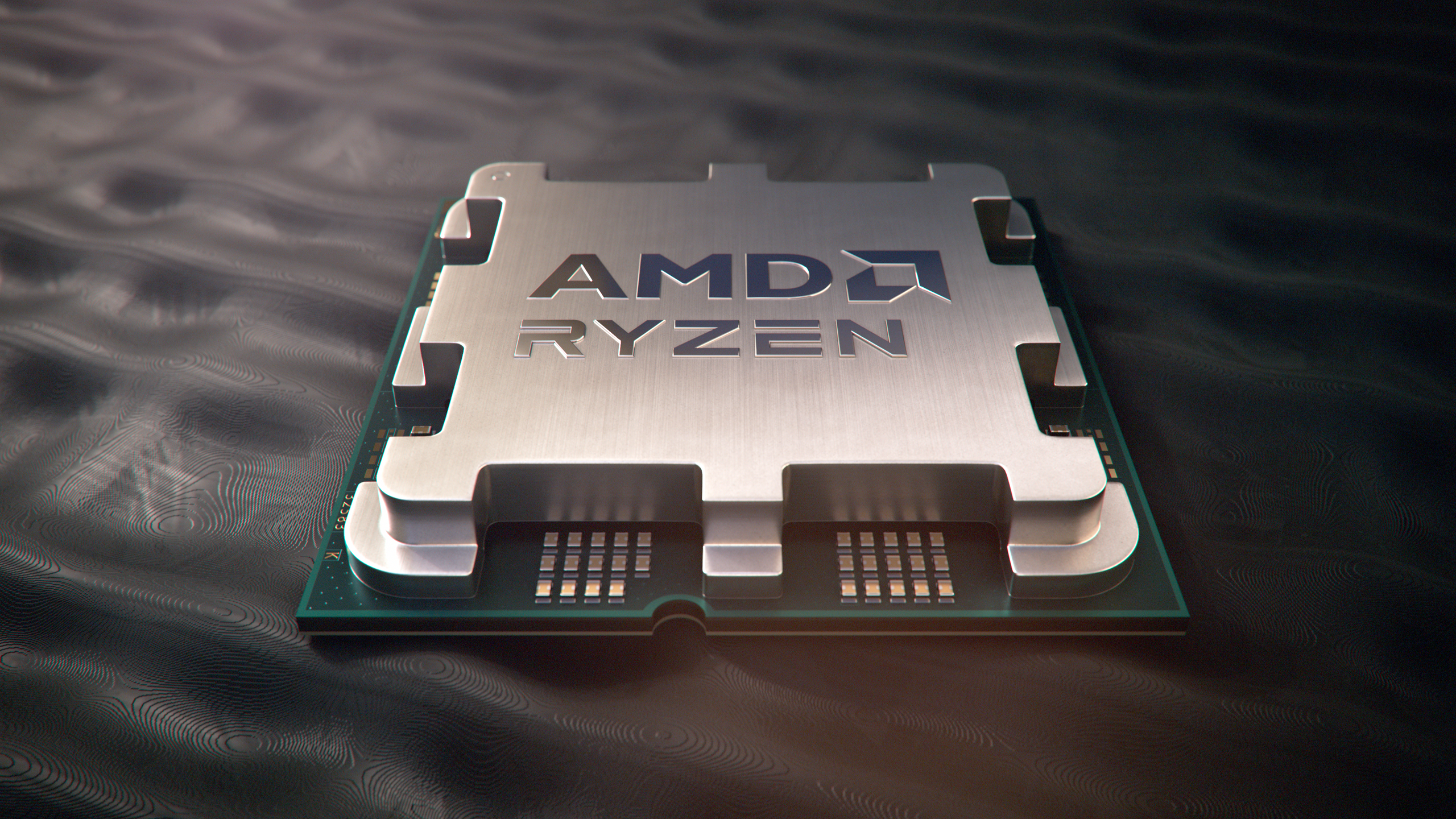
Zen 6 is the bigger question. AMD may not fully reveal its next generation architecture at Computex, but a teaser is possible. Reports point to two mobile families called Medusa Point and Medusa Halo. Medusa Point is expected to succeed Strix Point, while Medusa Halo would follow the larger Halo style chips aimed at high performance laptops and compact workstations.
The biggest rumored change with Zen 6 is the move to up to 12 cores per CCD, compared with the eight core limit seen on current Ryzen chiplets. That could allow AMD to raise core counts without relying as heavily on multiple chiplets. Medusa Halo is also expected to support LPDDR6 memory and use RDNA 5 integrated graphics, which could bring major bandwidth and GPU gains.
If the reports are accurate, Medusa Halo could scale up to 24 cores and 48 threads with up to 96MB of L3 cache. That would make it a major product for powerful laptops, local AI workloads, and systems that need strong CPU and integrated GPU performance in one package.
The handheld gaming market is another area where AMD may need to respond. AMD has dominated handheld PC chips for years, but Intel’s Arc G3 Extreme is now gaining attention from brands such as Acer, MSI, and OneXPlayer. AMD’s Ryzen Z2 lineup may face stronger competition, while Strix Halo handhelds remain expensive and limited.
On the graphics side, expectations should be more modest. AMD is unlikely to reveal a full RDNA 5 desktop GPU lineup or RX 10000 series cards at Computex. The company may instead expand or refresh the RX 9000 family, but a major new graphics architecture reveal seems less likely.
AMD’s Computex 2026 story may therefore be less about one huge product and more about keeping pressure across several markets. A cheaper X3D chip could help desktop gamers, more Ryzen AI Max models could strengthen laptops, and any Zen 6 preview could show where AMD is heading next.
The challenge is that rivals are becoming more aggressive. Nvidia is pushing AI PCs with its rumored N1X platform, while Intel is trying to win handhelds and regain desktop momentum. AMD still has strong gaming CPUs and powerful mobile chips, but Computex will be a chance to show that its roadmap remains competitive beyond Zen 5.



Discussion (0)
Be the first to comment.