



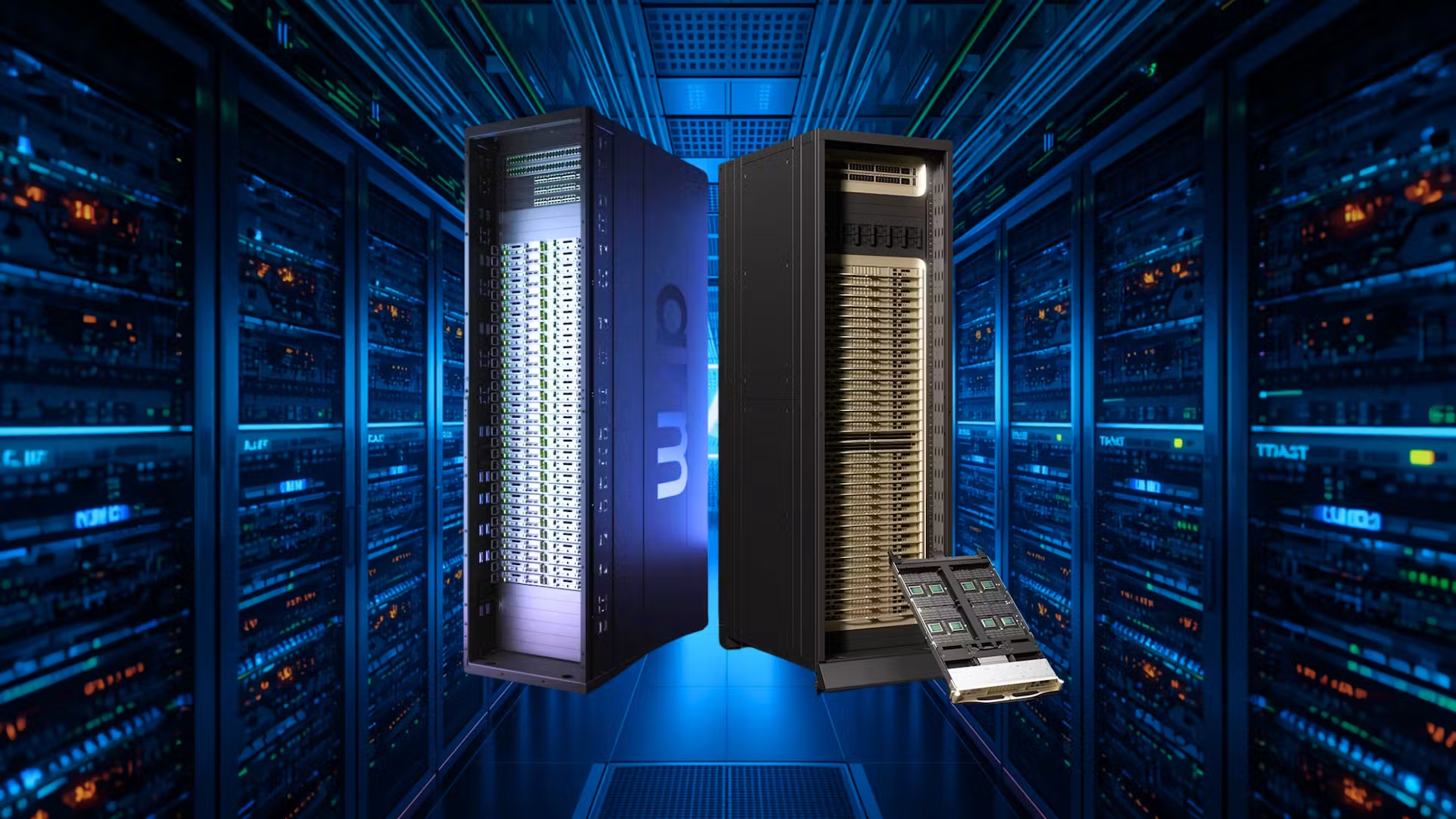
AMD may eventually turn to Intel Foundry for advanced packaging as demand for AI hardware continues to strain capacity across the semiconductor supply chain.
UBS reportedly expects AMD, Google, Apple and SpaceX to use Intel’s EMIB T packaging technology through future foundry agreements. For AMD, such a move could provide another option as it works to expand AI accelerator shipments while relying heavily on TSMC.
The report comes as separate estimates suggest NVIDIA will maintain a substantial lead over AMD in data center rack shipments through at least 2028.
Intel EMIB T could become another packaging option
| Area | Reported detail |
|---|---|
| Potential AMD partner | Intel Foundry |
| Packaging technology | EMIB T |
| Expected volume availability | 2027 |
| Package yield | Approaching 90% |
| Substrate yield | Around 50% |
| Cost comparison | Reportedly about 50% below TSMC CoWoS |
| Other expected customers | Google, Apple, SpaceX |
| Status | Analyst expectation, not a confirmed AMD deal |
EMIB T is an advanced packaging technology that uses embedded silicon bridges with Through Silicon Vias.
These vertical connections allow power and high speed signals to move through the package more directly, supporting denser integration and 3D stacking.
Intel reportedly expects to begin offering EMIB T in larger volumes during 2027.
Package yields are said to be approaching 90%, although substrate yield remains a significant limitation at roughly 50%.
AMD still trails NVIDIA heavily in rack shipments
The more difficult issue for AMD is its position in the AI rack market.
Goldman Sachs estimates cited in the report suggest NVIDIA could ship around 50,000 racks in 2026 compared with roughly 5,000 for AMD.
The gap remains large in later years.
| Year | NVIDIA estimated rack shipments | AMD estimated rack shipments |
|---|---|---|
| 2026 | 50,000 | 5,000 |
| 2027 | 92,000 | 13,000 |
| 2028 | 148,000 | 15,000 |
That would put NVIDIA at roughly 10 times AMD’s volume in 2026, about seven times in 2027 and close to 10 times again in 2028.
These figures are analyst estimates rather than confirmed shipment guidance, so actual results could differ.
AMD is expanding its AI strategy beyond GPUs
AMD has been making several moves to strengthen the broader platform around its accelerators.
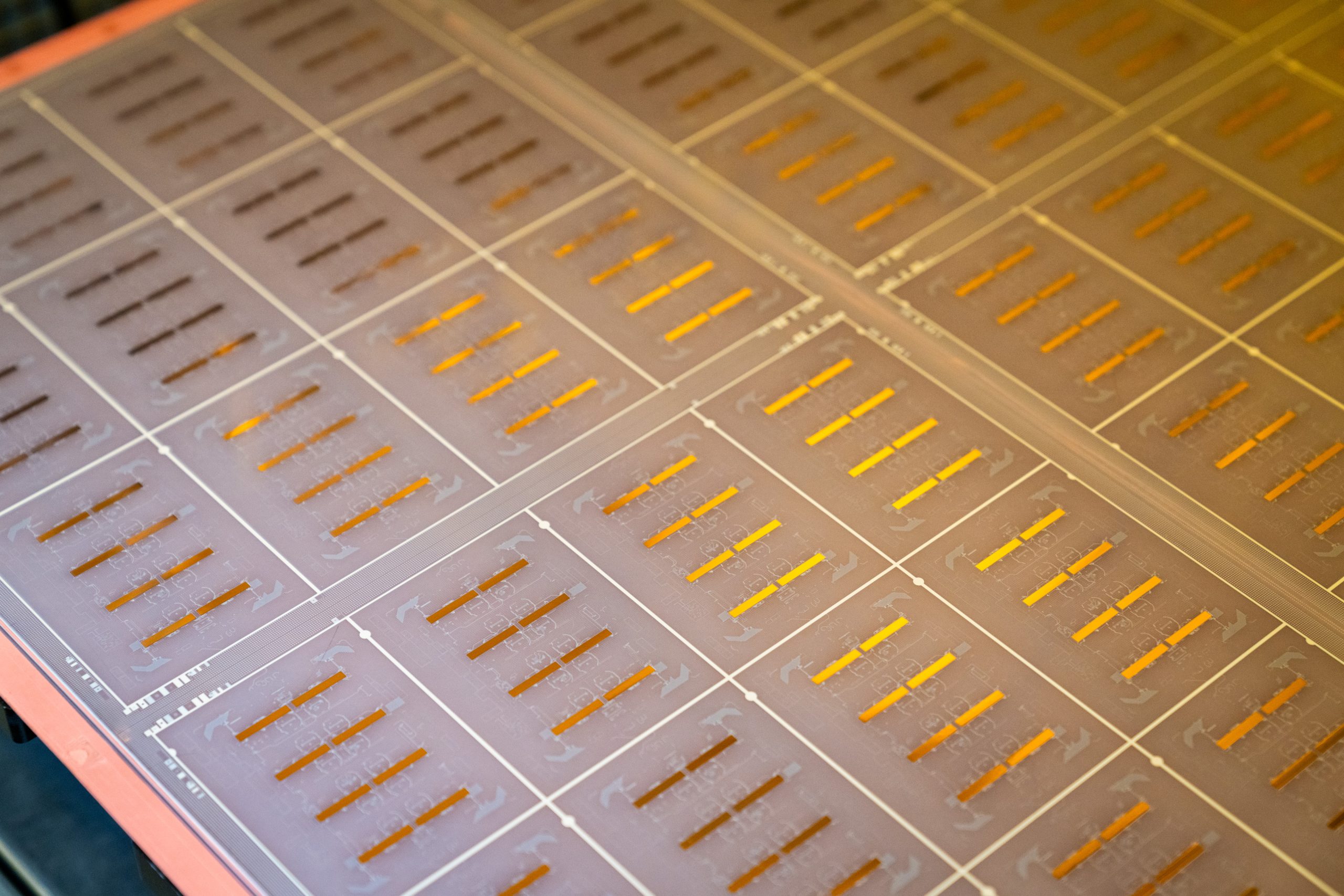
One is its partnership with Cerebras.
Cerebras uses a wafer scale architecture that places a very large amount of compute and on chip SRAM onto a single piece of silicon. The approach is designed to reduce some of the data movement and networking bottlenecks that appear in conventional accelerator clusters.
AMD has also agreed to acquire Taalas.
Taalas takes a different approach by building a specific AI model directly into the hardware itself. That can reduce the need to fetch model weights from external memory, although the resulting chip is specialized for the model it was designed to run.
Intel could benefit from AI packaging demand
If UBS is correct, a foundry agreement with AMD would also be an important win for Intel.
Advanced packaging is becoming increasingly important as AI processors combine larger accelerators, HBM and more complex interconnects in one system.
TSMC remains central to much of the AI supply chain, but packaging capacity constraints create room for alternatives.
Intel’s ability to offer EMIB T at lower reported cost could make it attractive to companies that need additional capacity.
For AMD, the bigger challenge remains scale. Even with new packaging partners and broader AI platform investments, current estimates suggest NVIDIA will continue shipping far more complete AI racks through 2028.
A future Intel foundry deal could help AMD improve supply flexibility, but it would not by itself close the much larger gap in rack level deployments.



Discussion (0)
Be the first to comment.