



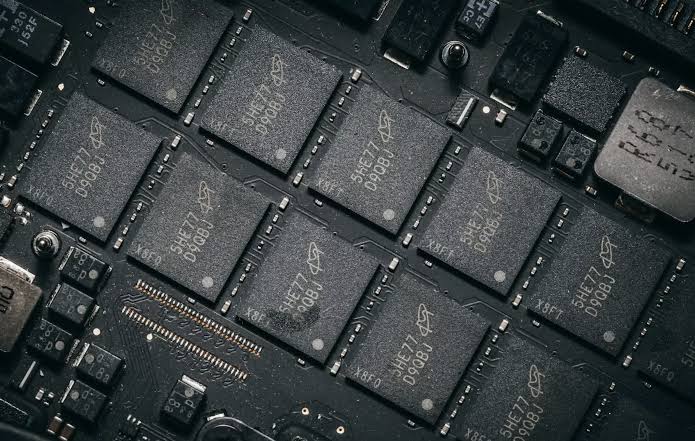
The global memory shortage may last much longer than many consumers and hardware companies expect, according to Adata chairman Simon Chen. He believes demand from artificial intelligence and other emerging technologies could keep the market under pressure for at least another decade.
Chen argues that it is too early to discuss whether the AI industry is forming an investment bubble. In his view, AI applications will continue expanding into new markets well beyond traditional data centres, creating sustained demand for DRAM, NAND flash and other forms of storage.
The warning presents a more severe outlook than forecasts suggesting that parts of the memory market could begin stabilising in 2027. It also indicates that higher component costs may remain a problem for PCs, consoles, smartphones and other consumer devices.
| Market factor | Expected effect |
|---|---|
| AI data centre expansion | Continued demand for high capacity memory |
| Limited factory growth | Supply may struggle to match demand |
| Robotics and autonomous vehicles | More memory demand outside data centres |
| Smart homes and satellites | Wider use of storage and memory chips |
| Consumer electronics weakness | Could help NAND supply recover sooner |
| Production improvements | May gradually increase available capacity |
Memory manufacturers may avoid excessive factory expansion
Memory markets have traditionally moved through cycles. Producers increase manufacturing capacity when prices and demand are high, but excessive expansion can eventually create oversupply and falling prices.
Chen believes major manufacturers will be more careful this time. Companies such as Samsung and SK hynix are expected to expand production, but they may avoid building too much capacity because of the financial risks involved.
New factories are expensive and take years to complete. Memory production also depends on advanced equipment, suitable land, reliable electricity and skilled workers. These limits make it difficult for manufacturers to respond quickly when demand rises.
Chen therefore sees little evidence that supply conditions are about to loosen. He expects memory prices to continue increasing during the remainder of 2026 as manufacturers prioritise products required by AI servers and enterprise infrastructure.
This pressure can affect consumer hardware even when the devices do not use specialised AI memory. Production resources devoted to high bandwidth memory and enterprise storage can reduce the capacity available for conventional DRAM and NAND products.
PC manufacturers may respond by increasing system prices, reducing standard memory capacity or delaying new models. Console makers and smaller hardware companies face similar challenges because memory and storage represent a meaningful part of the cost of each device.
AI demand is spreading beyond large data centres
The longer term concern is that memory demand will no longer come mainly from cloud companies. Chen expects robotics, autonomous vehicles, smart homes and low orbit satellites to require growing amounts of memory and storage.
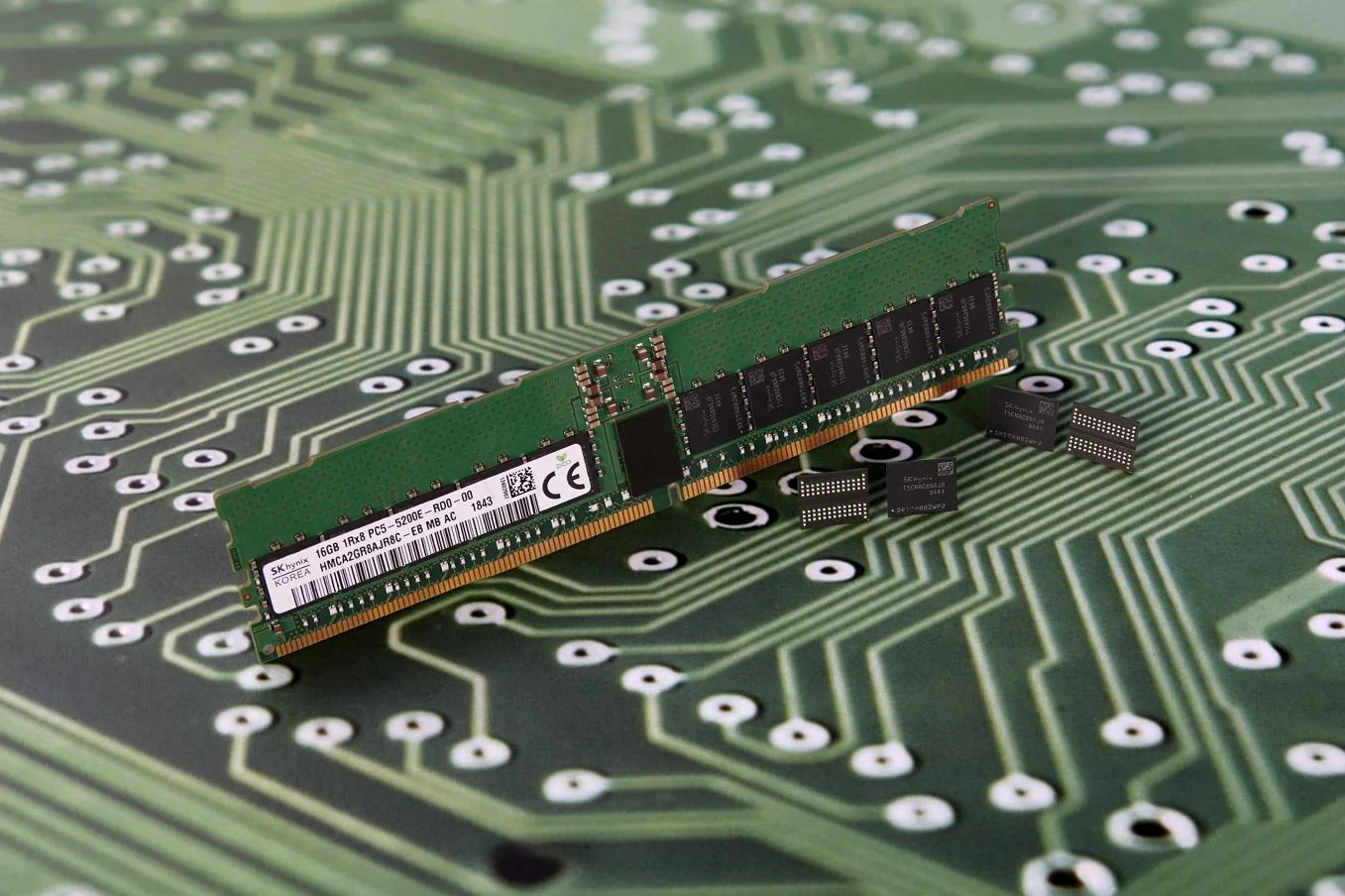
Advanced robots need memory to process sensor information and run local AI models. Autonomous vehicles must analyse data from cameras, radar and other systems with limited delay. Smart home products and connected industrial equipment also require local storage and processing capacity.
These applications could turn the present shortage into a structural issue rather than a normal market cycle. Even aggressive investment from established manufacturers and newer Chinese competitors may not be enough if demand grows across several industries at the same time.
However, not every market forecast is equally pessimistic.
NAND flash supply could improve during 2027
A more optimistic projection suggests that NAND flash production growth may begin to exceed demand in 2027. Process improvements and increasing bit output could gradually improve supply, particularly if demand for consumer electronics remains weak.
Under this scenario, the NAND market could move closer to balance during the second half of 2027. That would provide some relief for SSDs and other storage products, although it would not necessarily solve shortages affecting DRAM or high bandwidth memory.
The different forecasts are not completely incompatible. NAND supply could improve in the near term while the broader memory industry continues facing long term pressure from AI infrastructure.
For consumers, the outlook remains uncertain. Storage prices may stabilise sooner than expected, but strong enterprise demand and cautious factory expansion could keep RAM and other memory products expensive for longer. Much will depend on how quickly manufacturers increase output and whether AI investment continues at its current pace.



Discussion (0)
Be the first to comment.