



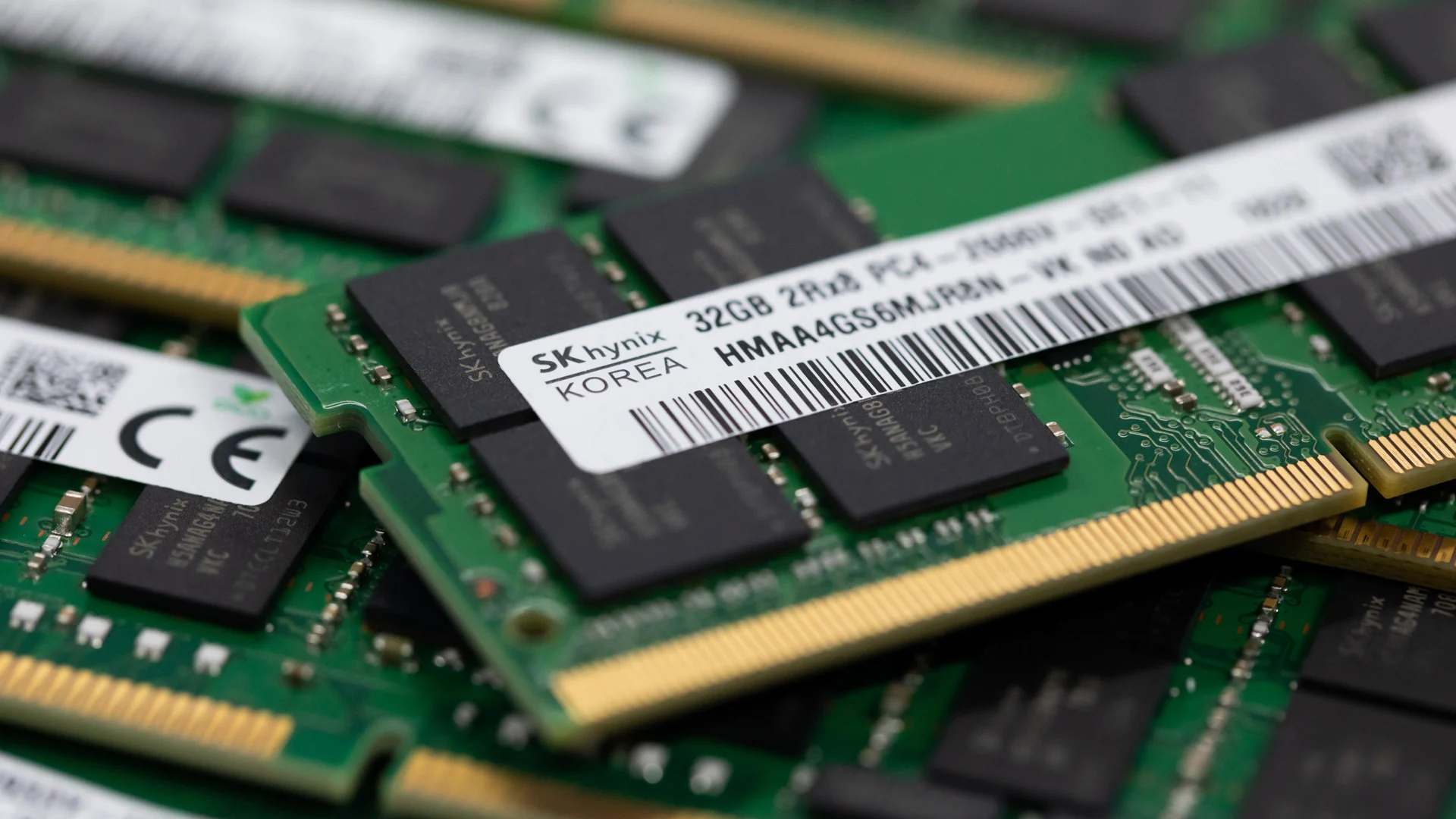
Buying RAM in 2026 has become risky. Prices are still high, AI data centers are taking huge amounts of DRAM supply, and scammers are using the shortage to target PC builders looking for cheaper upgrades.
The problem is not only expensive memory. It is that fake, broken, relabeled, or swapped RAM is showing up more often in online listings and secondary markets. Some scams are easy to spot, but others can fool normal buyers until the module is already installed.
Here are the main RAM scams to watch for.
| Scam | What to watch for |
|---|---|
| Completely fake RAM | Plastic chips glued onto a PCB |
| “Untested” junk RAM | Listings with no returns and no proof it works |
| Unrealistic discounts | Prices far below normal market value |
| Bait and switch | New packaging with different or fake RAM inside |
| Relabeled RAM | Memory that works, but is slower or lower spec than advertised |
The most obvious scam is fake RAM. Some DDR5 SO DIMM modules have reportedly appeared with plastic pieces glued onto the board to look like real memory chips. In one case, the label claimed the module was Samsung, but the chips were marked SK hynix. That kind of mismatch is a major warning sign.
Desktop RAM can be even harder to check because many sticks have heatspreaders that hide the memory chips. That means a buyer may not notice anything is wrong until the PC fails to boot or reports the wrong capacity.
Another common trick is selling RAM as “untested” or “junk” with no returns. That wording gives sellers room to avoid responsibility. The RAM may be broken, fake, or simply not what the listing suggests. If a listing says no returns and does not show proof that the memory works, it is better to walk away.
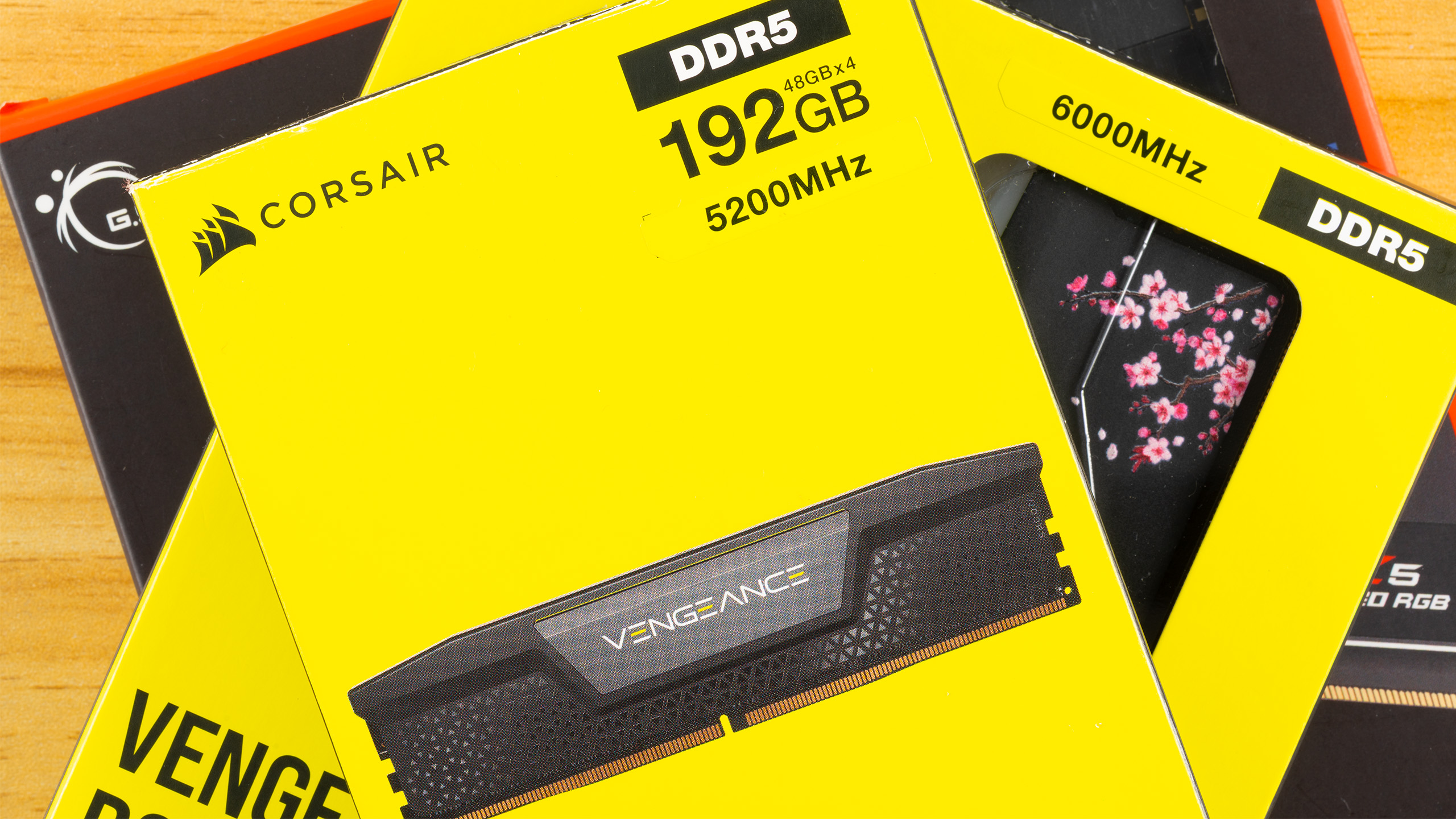
Huge discounts are another red flag. Real RAM deals still exist, especially from trusted retailers or bundles, but prices that look far below the rest of the market should be treated carefully. Scammers know buyers are desperate for affordable memory, so they use unrealistic prices to make people act quickly.
Bait and switch scams are also a risk. A scammer can buy real RAM, remove it from the package, replace it with bad or fake modules, reseal the box, and return it. That package can then end up back on sale. Even if the box looks new, you should still inspect the RAM inside.
The sneakiest scam is relabeled RAM. In this case, the memory may actually boot and work, but it is not the speed, capacity, or quality you paid for. A casual buyer may not notice unless they check the RAM in BIOS, Windows, or a memory testing tool.
The safest approach is simple. Buy from trusted retailers, avoid no return listings, compare product photos with known genuine modules, check serial numbers when possible, and test the RAM immediately after installing it.
If you buy second hand, use a payment method that gives you buyer protection. Avoid listings that rely on vague wording like “pulled from working system” without proof.
The RAM shortage is bad enough without scammers making it worse. A cheap listing can be tempting, but a fake stick will cost more in the end if it wastes your money, delays your build, or makes troubleshooting a nightmare.



Discussion (0)
Be the first to comment.