



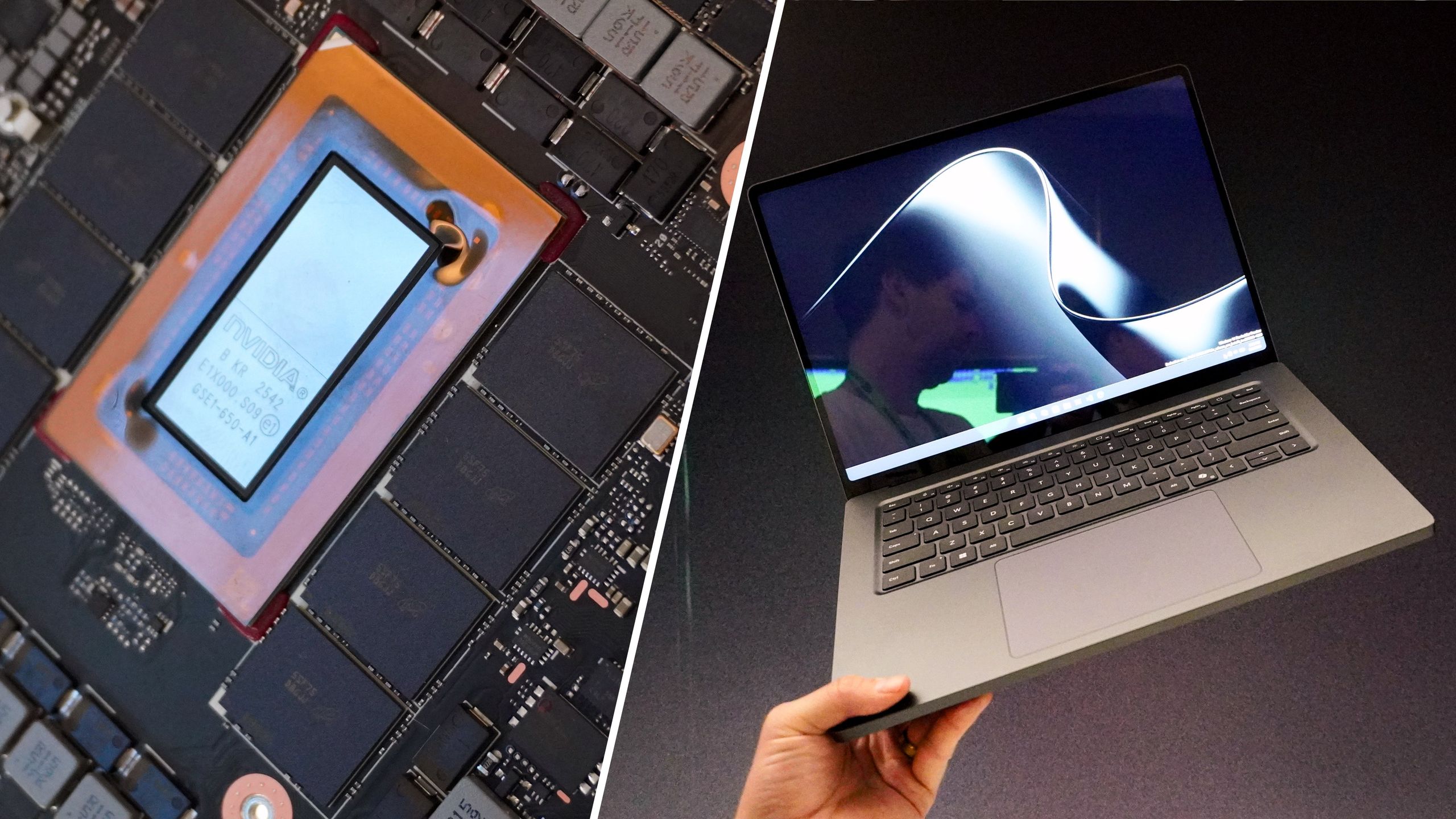
Nvidia’s RTX Spark has received one of its first early benchmark comparisons, and the results suggest the new Windows on Arm platform may be more competitive than expected in developer workloads. In a Clang compile benchmark, the 20 core Grace CPU inside RTX Spark beat Apple’s standard M5 by a wide margin and also came out ahead of AMD’s Ryzen AI Max Plus 395.
The result is important because RTX Spark is not only being judged as an AI and gaming platform. Nvidia is also trying to prove that it can build a serious PC chip for developers, creators, and professionals. Raw GPU power is one part of the story, but strong CPU performance still matters for compiling code, running tools, handling multitasking, and supporting daily productivity.
According to the shared Clang benchmark numbers, RTX Spark scored 43,149, with a compile speed of 212.5 thousand lines per second. Apple’s M5 scored 27,996, with 137.9 thousand lines per second. That makes RTX Spark around 54 percent faster than the standard M5 in this test.
The larger core count appears to help Nvidia here. RTX Spark uses a 20 core Grace CPU, while the M5 uses a 10 core CPU. Even if Nvidia’s Arm CPU cores are not the newest available designs, having more cores gives the chip a clear advantage in a heavily threaded compile workload.
| Chip | Clang score | Compile speed | RTX Spark comparison |
|---|---|---|---|
| RTX Spark | 43,149 | 212.5 Klines per second | Baseline |
| Apple M5 | 27,996 | 137.9 Klines per second | RTX Spark is about 54 percent faster |
| Apple M5 Pro, 15 core | 46,374 | 228.4 Klines per second | RTX Spark is about 7 percent slower |
| Apple M5 Pro, 18 core | 55,165 | 271.7 Klines per second | RTX Spark is about 22 percent slower |
The comparison with Apple’s M5 Pro is more balanced. The 15 core M5 Pro scored 46,374, making it roughly 7 percent faster than RTX Spark. The 18 core M5 Pro stretched that lead further with a score of 55,165, making RTX Spark around 22 percent slower.
That places RTX Spark in an interesting position. It is clearly faster than Apple’s standard M5 in this developer test, but it does not beat the stronger M5 Pro versions. That is still a respectable first showing for Nvidia, especially because RTX Spark is entering a Windows on Arm market where Qualcomm has been the main non x86 player.
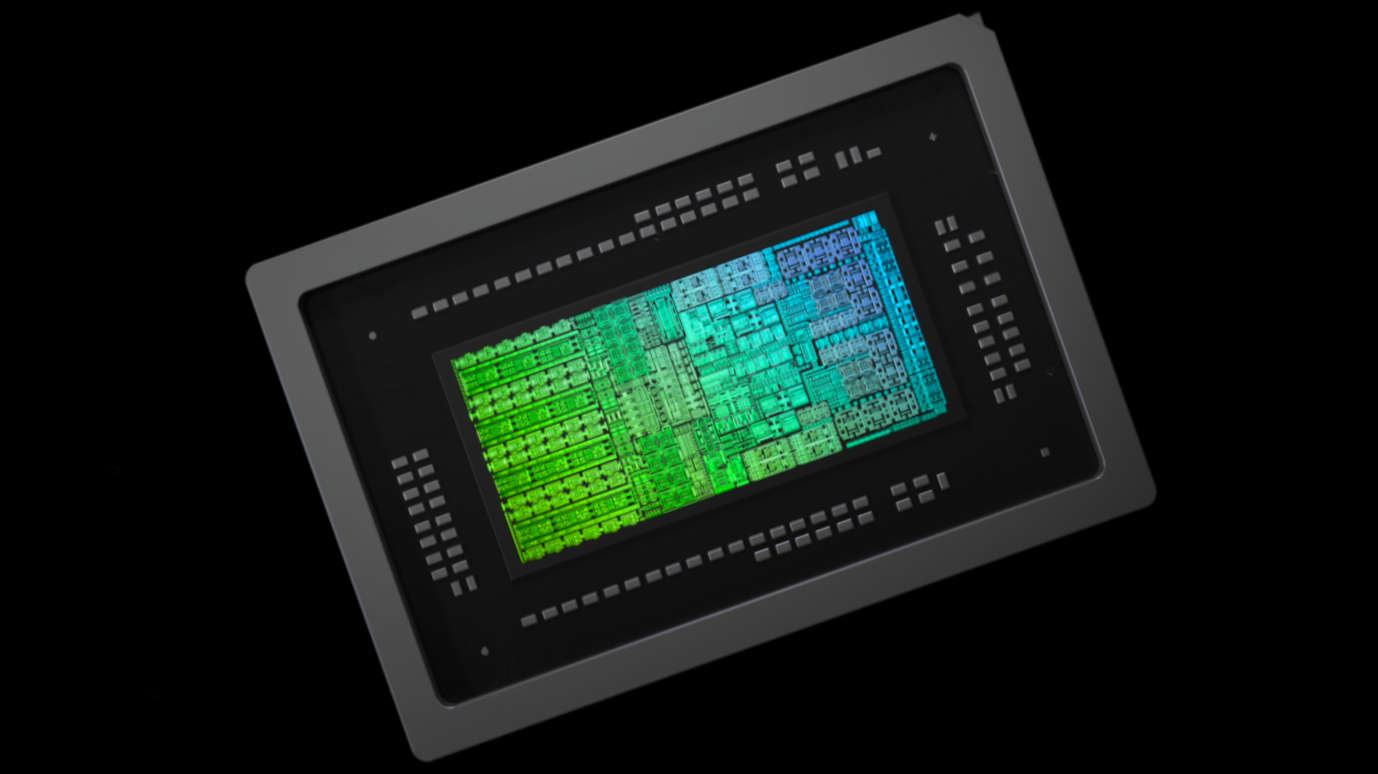
The Intel Core Ultra 9 285HX also managed to edge ahead of RTX Spark, but that comparison needs context. Intel’s HX chips are high power laptop processors, often used in larger performance machines with heavier cooling. RTX Spark’s appeal will depend on whether it can deliver strong performance while also offering better efficiency, AI acceleration, and Nvidia’s graphics stack.
The benchmark also does not answer every question. Clang compile performance is useful for developers, but it is only one workload. Buyers will still need to see results for gaming, creative apps, AI inference, emulation, battery life, thermals, and real Windows software compatibility before judging the platform properly.
Gaming may be where RTX Spark becomes more interesting. Nvidia has already shown laptops using the chip running games such as 007 First Light and Forza Horizon 6, and the company has teased Alan Wake 2 with DLSS Ray Reconstruction enabled. Clear frame rate numbers are still missing, but Nvidia’s GPU background gives RTX Spark a stronger gaming story than most previous Windows on Arm chips.
That could become the platform’s biggest advantage. Apple and Qualcomm can compete strongly in CPU efficiency and general compute, but Nvidia brings CUDA, DLSS, Reflex, RTX ray tracing, and broad developer support from its existing GPU ecosystem. If those tools translate well to RTX Spark laptops, Nvidia may have a real opening.
For now, the Clang benchmark is a promising first signal rather than final proof. RTX Spark appears strong enough to compete with serious laptop chips in developer workloads, but it still needs independent testing in finished retail devices.
The early takeaway is simple. Nvidia’s Windows on Arm push is not only about AI marketing. RTX Spark already looks capable in a real development benchmark, sitting above the standard M5 and close to the lower M5 Pro. If the GPU, battery life, and app compatibility hold up, RTX Spark could become one of the most important new PC platforms of 2026.

Discussion (0)
Be the first to comment.